From Mexico, here’s a confession: most of my production debugging ends as a Slack answer and a query snippet I’ll never find again. Supabase is going after exactly that. On October 30 it announced Explorer and Notebooks. Explorer is a new query editor in the Supabase Dashboard that reaches your logs as well as your database, and Notebooks save an investigation so you, a teammate or your coding agent can run it again.
One editor for the database and the logs
Supabase’s point is that diagnosing a production problem usually means reading logs, usage charts and database reports separately, and correlating them in your head, because the logs speak a different query dialect. In Explorer you pick a source, write SQL against it, and every result renders as a table or a chart. Log queries carry their own time range, so the query that found the error and the query that found the slow request sit side by side, with nothing exported.
Where the AI part comes in
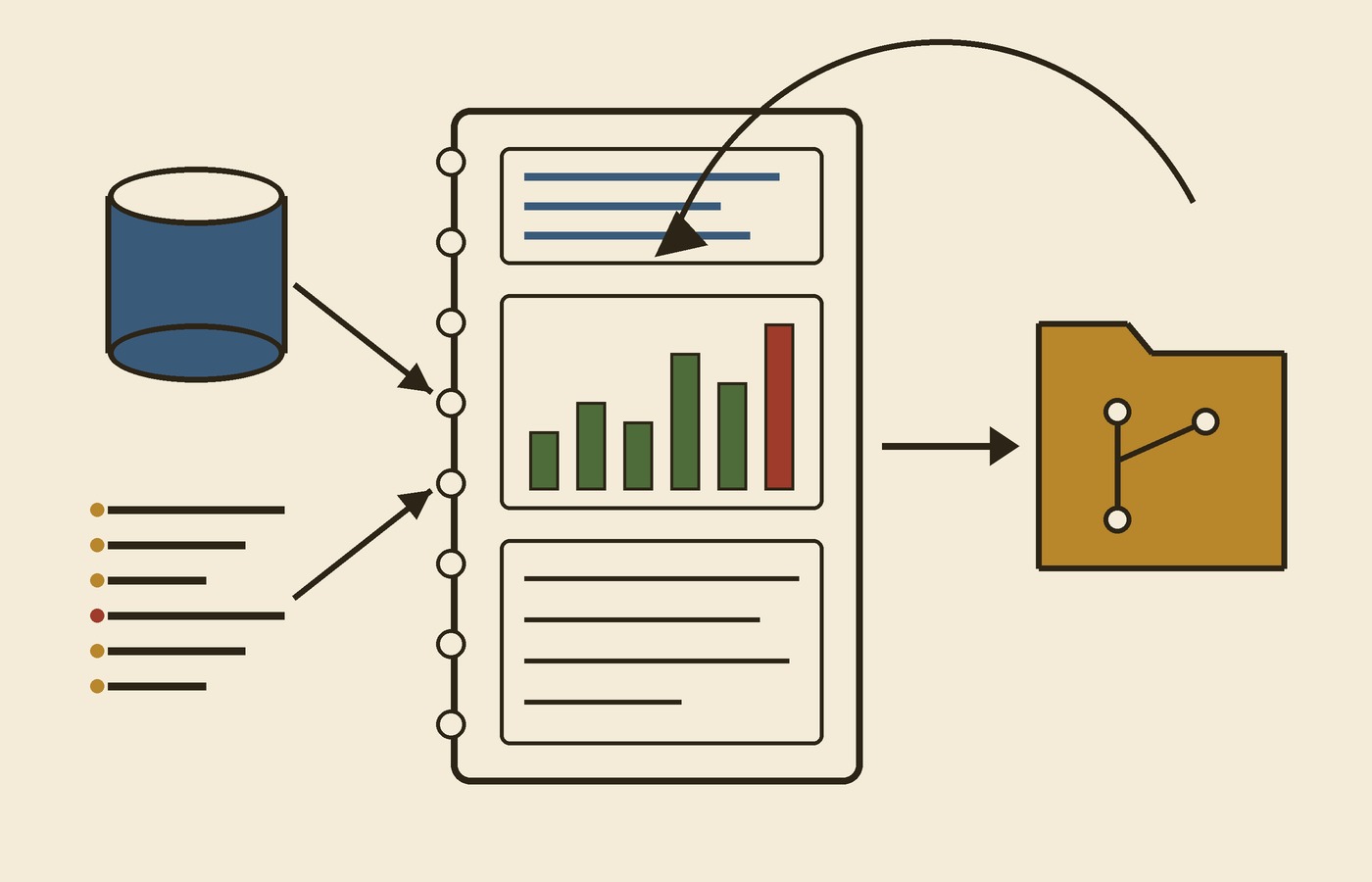
A Notebook mixes query cells, charts and markdown notes that explain the reasoning. It saves the queries, not the results, so running it later always returns current data. Supabase Assistant, the chat panel built into the dashboard, can write the SQL from a plain-language request, and inside Explorer you can ask it to investigate something: it writes the notebook cells, runs them and saves the notebook. Supabase says every create and every edit waits for your approval before it saves, and what you approve is SQL and markdown you can read line by line. You can also skip the Assistant completely and write a notebook by hand.
The part I like most for coding agents is where the file lives. A notebook sits in your supabase folder, so it’s versioned, reviewed in a pull request and checked out by whoever clones the repo. You can write one locally, including with your own agent, and push it with supabase notebooks push, or pull a dashboard notebook down with supabase notebooks pull. Supabase pitches it as something your agent can run as part of its ongoing observations, and because results aren’t saved in the file, the same notebook works against any branch.
What I’d check before leaning on it
- It’s a feature preview. You turn it on under Feature Previews, and it replaces the SQL Editor in the sidebar, so warn your team first.
- The notebooks commands are only in the beta version of the CLI right now.
- Treat agent-written notebooks like any other agent PR. The approval step is good, but somebody still has to read the SQL before it touches production data.
- A rerun after a deploy is only useful if the notebook checks the thing that matters. Write down the expected numbers in the markdown cells.
My take: this isn’t a flashy agent launch, and that’s why I like it. It turns a one-off investigation into a reviewed file that a person or an agent can rerun, which is the kind of boring plumbing that makes AI-assisted debugging trustworthy. If you’re on Supabase, I’d turn on the preview in a staging project, save one real incident as a notebook, and see if your agent can rerun it after the next deploy.
Source: Supabase blog, “Explorer and Notebooks: investigations your team can rerun,” October 30, 2026. Hero image: Spiralblock aufgeschlagen by Chrkl, Wikimedia Commons, CC BY-SA 3.0; cropped and resized.