From Mexico, the agent work I trust most is the boring repo chores nobody wants to do by hand: triaging issues, figuring out why CI broke, keeping docs current. On October 28, GitHub announced that GitHub Agentic Workflows is generally available. It’s an open source project from GitHub Next that runs coding agents inside GitHub Actions for jobs like issue triage, CI failure analysis, documentation updates and test writing. AI and Tech News also covered the release.
Markdown in, Actions YAML out
You write the automation as a natural-language Markdown file, and the gh aw CLI extension compiles it into standard Actions YAML. Since the result is just a GitHub Actions workflow, it runs on the runner groups and policy constraints you already have. You can power each workflow with GitHub Copilot or bring your own coding agent, and GitHub says you can now pick the model provider per workflow. The quickstart walks through installing the extension, and GitHub Next’s agentics repository has ready-made workflows for triage, dependency management, code review and reporting.
The guardrails are the real story
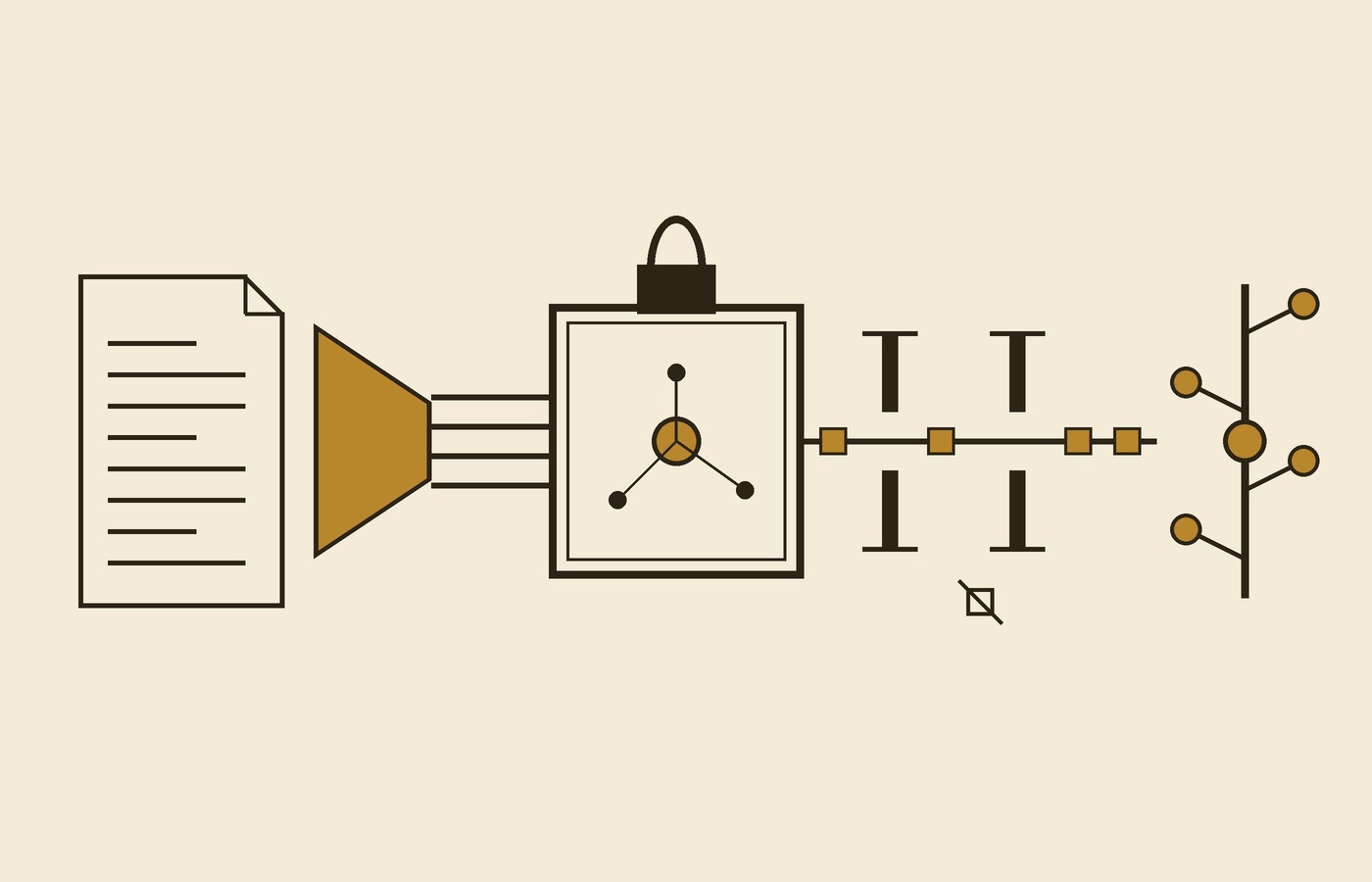
What I care about most is the safety layering, because a coding agent with write access to a repo is a big blast radius. Per the changelog, agents read GitHub content under integrity filter rules, run with read-only permissions by default, and execute in a sandboxed container behind the Agent Workflow Firewall. What they want to change goes through a safe outputs step, and a separate threat detection job scans every proposed change before it’s applied. New for GA, agents can also run in a Cloud Hypervisor or NVX micro-VM, with enclaves meant to stop data leaking in cross-repository workflows.
The other GA additions are practical: support for self-hosted Actions Runner Controller (ARC) runners with Docker-in-Docker, new templates you can add with gh aw add-wizard, and gh aw forecast, which is no longer experimental and now estimates monthly ranges of AI credit spend, threat detection included. It’s available on github.com for Free, Team and Enterprise, but the default Copilot CLI engine needs a Copilot license.
About those results
The announcement quotes an Accenture manager saying one lead saved an estimated 29 hours a week, AI now authors 91% of that team’s commits, and production errors fell from about 11,000 a day to under 1,000. That’s one customer’s account inside a vendor announcement, not an independent study, so I’d read it as a direction, not a forecast for my own repos.
My take
I like that this puts agents where CI already lives, with permissions and review baked in instead of bolted on later. If I tried it, I’d start with one low-risk workflow, like CI failure analysis that only comments on a pull request, run gh aw forecast before turning it on, and keep the read-only default. Then I’d read the release notes and the threat detection docs before letting any workflow open pull requests on its own. An agent that saves me an hour only helps if I’m not spending two cleaning up after it.
Hero image: Lock gate at Lock 51, Stratford-upon-Avon Canal by Ruth Sharville, Wikimedia Commons, CC BY-SA 2.0; cropped, resized, small sign and plate obscured.