
From Mexico, the bill is the part of coding agents I watch most closely, and it’s rarely the code writing that eats it. On October 27, Bito launched Governor, a “context-driven model router” that sits between your coding agents and the models they call. Bito says you keep using Claude Code, Cursor, Codex, Pi or GitHub Copilot as they are and just point their base URL at Governor. It speaks the Anthropic and OpenAI APIs and runs on your own provider keys. Unite.AI also covered the launch.
Two levers: which model, and less searching
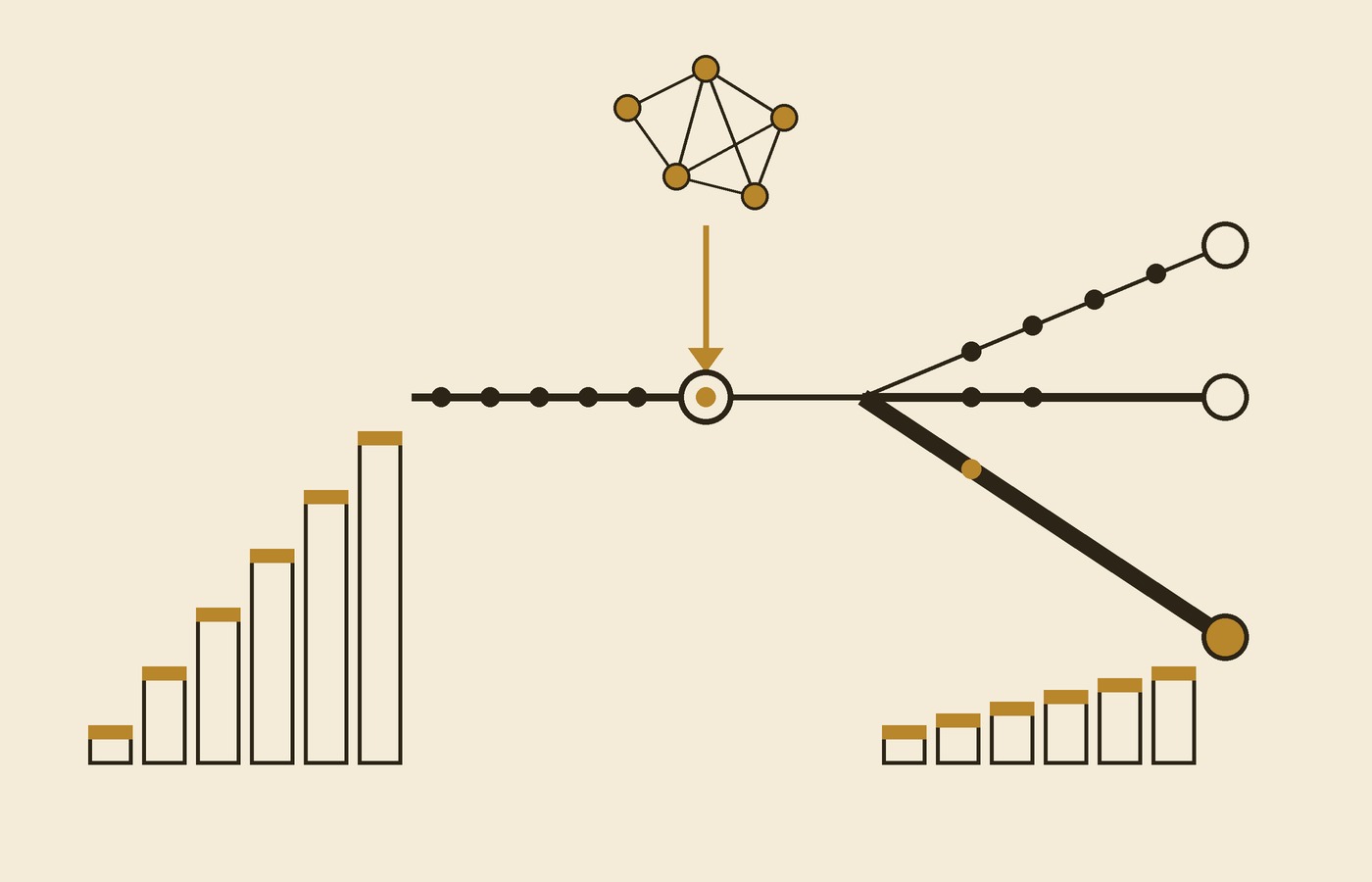
The first lever is routing. Governor sorts each request into a tier by the kind of work and how risky it is, from carrying out a plan you already approved up to planning, code review and anything touching production, then picks a model and reasoning level from the ones your team allows. It decides when you start a new request and holds that choice while the agent works, so it doesn’t swap models halfway through a task and lose the cache. Bito says that across 80 turns since adding this, it hasn’t switched mid-task once.
The second lever is code context. Bito’s argument is that agents re-send their whole transcript every step, so every grep result gets paid for again and again. In one Claude Code session it measured, about 65,000 tokens of search results added up to 6 million tokens processed by the end. Governor keeps a live graph of your repos, runs the search with a smaller, faster model, and hands the agent a short answer with the file and line each fact came from.
The numbers are Bito’s
Every figure here comes from Bito. It says 60% to 80% of a coding agent’s cost goes to searching and reading the codebase. In one afternoon of real requests, it reports 162 tool calls, 62 files opened and $6.81 without Governor versus 14 calls, 3 files and $1.13 with it. In a customer A/B test, which the press release says was Privado, cost per task fell 48%, from $4.12 to $2.14, with task success held at 100%. The release says most teams cut agent spend by 40% to 70%. I haven’t seen an independent benchmark yet. On the control side, the release lists Quality, Balanced and Cost settings, a shadow mode to try it on your own traffic first, a hard price ceiling, fallback to the requested model, and a logged reason for every routing decision.
My take
The part I like is that it treats an agent session as one job, not dozens of separate chat calls, and goes after re-sent context instead of only token price. But a router is also a new place where quality can quietly drop. If I tried it, I’d start in shadow mode, compare its picks against what I’d have chosen on a week of real tasks, and keep reviewing diffs the same way I do now. A cheaper session only counts if the code that comes out is just as good.
Hero image: Points switcher by Bernard Spragg. NZ, Wikimedia Commons, CC0; cropped and resized.