From Mexico, here’s my honest bottleneck with coding agents: they open a PR in minutes, and then it sits there until somebody is brave enough to merge it. Hud, a New York runtime-context company, is going straight at that gap. On October 29 it launched agentic rollouts, which it describes as a way for coding agents to take a change from PR to production while Hud checks every step against how the code actually runs.
Before, during and after the merge
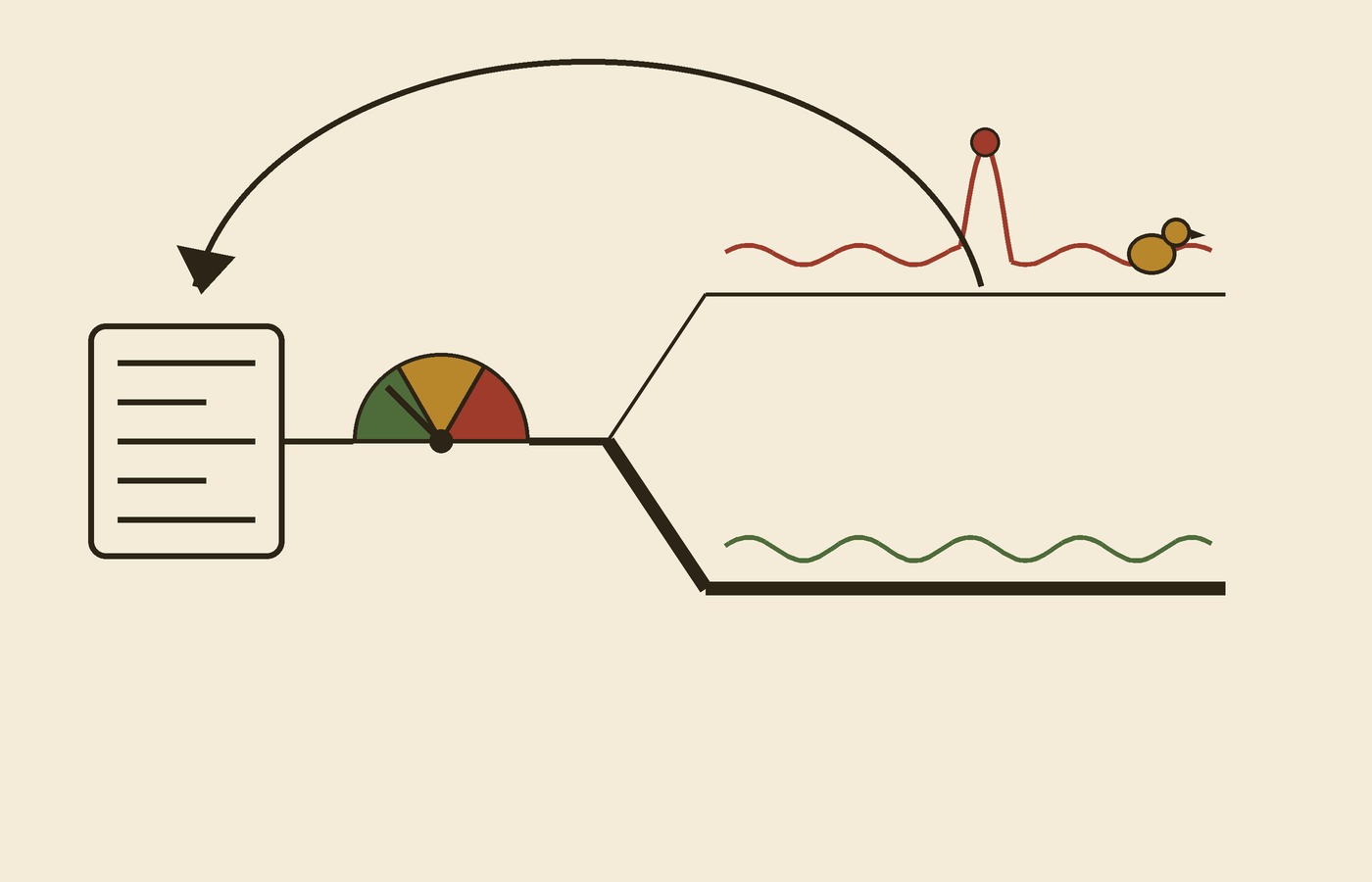
It all hangs on Hud’s runtime code sensor, which the company calls a one-line SDK that learns each function’s baseline behavior in production. Hud says it uses that context in three places. Before the merge, it checks the PR against a production impact map with real parameters and code flows, and labels it safe or risky. If it’s risky, reviewers get context to move faster. While the new version takes traffic, Hud compares the new code’s behavior with the baseline so a regression shows up right away, along with the PR that caused it. And when something does regress, it rolls back or reverts and hands the coding agent that context so it doesn’t repeat the mistake.
The proof so far is one customer
Hud’s launch example is Riverside, the audio and video recording platform. Hud says Riverside sends every deploy through a canary with agentic rollouts and automatic rollback, and that bad deploys get reverted in about eight minutes, usually before customers notice. That’s a single customer story from the vendor, not an independent benchmark.
The post also cites outside numbers to frame the problem: Faros AI’s 2025 data that teams with high AI adoption merge 98% more PRs while review time rises 91%, and a Harness 2025 finding that only 6% of organizations call their continuous delivery fully automated. Hud labels both as vendor surveys, and I’d read them that way too.
What I’d check before trusting it
- How the safe-or-risky label is decided, and how often it says safe when it shouldn’t.
- What the SDK costs in overhead on hot paths, and which languages it covers.
- Who’s allowed to merge a PR marked safe: the agent, or still a human.
- What production data goes back to the agent, and where it’s stored.
I like the direction. Reviewing agent PRs harder doesn’t scale. Giving them real production evidence might. Hud says agentic rollouts are available today to all its customers, so if you’re already running it, a low-risk service with a proper canary seems like the right place to try it. My bet is the merge and rollout step becomes the next big fight in AI-assisted engineering.
Hero photo: Domestic canary by Yavor Uzunov, Wikimedia Commons, CC0 (public domain dedication); cropped and resized.