From Mexico, the part of AI coding that still feels slowest to me isn’t writing code, it’s reviewing it. On October 26, Entire, the company led by former GitHub CEO Thomas Dohmke, launched a Git forge built for agents and humans working together, and it goes straight at that problem. The Verge notes Dohmke had teased the platform in July. Entire says it’s available to every developer today.
Trails instead of pull requests
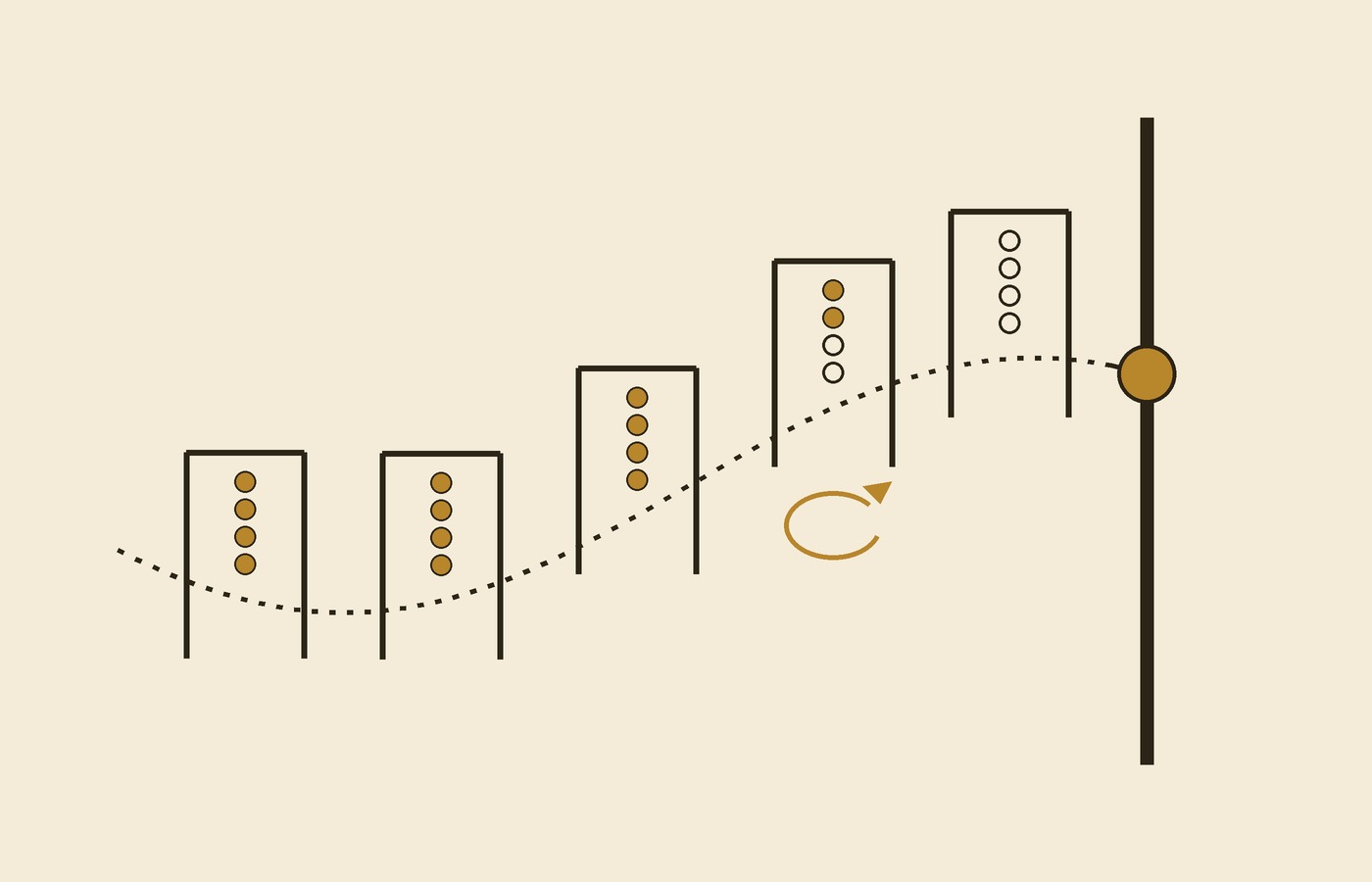
The headline feature is the Trail, which replaces the classic pull request. Instead of reading a diff, you get a dashboard of customized evals that agents score on every push. The same data is available in the web interface and through the open-source Entire CLI, so a coding agent can fix findings in a loop while you check progress. Entire’s pitch is that when all the evals pass, you can merge without looking at the code itself. Dohmke’s argument in the release is that agents “now write almost all of it,” so the idea, the agent trace and the outcome should be reviewed alongside the code.
Hosting, memory and CI
Under Trails is a new Git-compatible server. Entire claims pushes up to 89x faster than GitHub and 6x faster than Cursor Origin, with private repos hosted in the US, EU, India or Australia. Those speed numbers are Entire’s own; I haven’t seen an independent benchmark. Continuous Memory syncs agent sessions into the repo: a codebase graph Entire says saves up to 71% on tokens, plus an “agentic brain” that turns past sessions into memories agents can query. For CI, Entire partnered with Buildkite and Depot, so you can convert GitHub Actions workflows and have results land in Trails. The company raised $60 million in February and has a team of 50. Public repositories and self-hosted Git nodes are on the roadmap, not shipping yet.
My take
Moving review from the diff to evals is the interesting bet here, and it’s only as good as the evals. “Merge without looking at the code” is a big promise when the same kind of agents write the code and score it. If I tried Entire, I’d start with one non-critical private repo, read the diffs anyway for a few weeks, and see whether the Trail catches what I would have caught. Since public repos aren’t supported yet, open-source projects will have to wait.
Hero image: Cairn in Emery County by BLM Utah, Wikimedia Commons, public domain; cropped and resized.