From Mexico, my workday with AI has quietly changed shape. It used to be one assistant in one editor. Now it’s often two or three agent sessions going at once, and I’m the one copying context from one window to another and remembering who’s waiting on what. So a launch aimed squarely at that problem got my attention. On October 15, BAND announced BAND for Developers, which includes a new desktop app for managing and collaborating with multiple coding agents.
The problem it’s going after
BAND’s pitch is that coding agents usually stay isolated from each other, so developers end up moving context between sessions, coordinating handoffs and stepping in when work gets blocked. CEO and co-founder Arick Goomanovsky put it this way: “Developers are going from working with one coding agent to leading teams of them, but the tools around those agents haven’t evolved to support that.”
SiliconANGLE’s write-up frames the same gap well: agents are often only aware of each other through the codebase, a repository or tickets in a tracker, so the developer has to pass session context around so agents don’t collide or overlap. It also cites JetBrains’ Developer Ecosystem Survey 2026, which found 90% of professional developers use at least one AI coding agent at work weekly and 68% use them daily.
What BAND says the app does
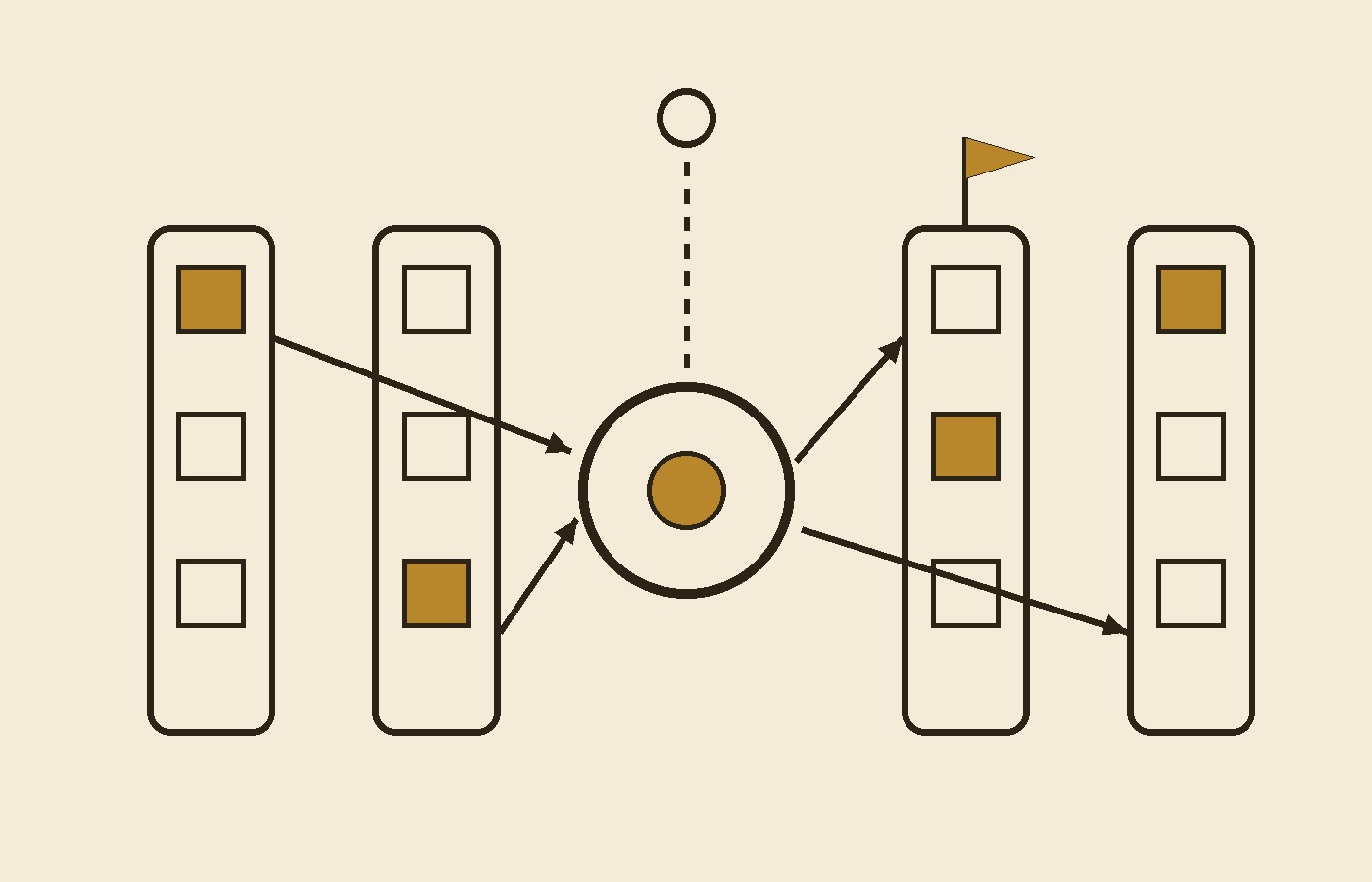
- One view of the work. The desktop app shows projects, agents, ownership, activity, blockers, questions and progress. You can drill into a specific project or agent when it needs you, then go back to the big picture without reconstructing context.
- Agents talking to agents. BAND says agents can exchange context, divide responsibilities and hand work to one another instead of running as isolated processes.
- Mixed setups. It connects agents across supported harnesses, machines and environments, including local agents alongside remote or centrally managed ones, without making a team standardize on one agent stack.
- Not a replacement for your tools. The app complements BAND’s terminal and CLI experience and works alongside the coding agents and environments you already use.
BAND’s own example is a developer with one agent implementing a feature, another testing it remotely and a specialized organizational agent handling another part of the work. SiliconANGLE adds a nice concrete case: if one agent is stuck waiting on a function another agent is building, you can tell it to wait or to go ahead and prototype. The download page says it’s free to start on macOS, Windows and Linux.
What I’d want to know before trusting it
BAND’s release doesn’t spell out the full list of supported harnesses, what “free to start” turns into for a team, or how agents resolve it when two of them want to change the same code. Those are the details that decide whether this saves time or just adds one more dashboard. I’d also keep in mind that the quotes and the feature list come from BAND itself; the press coverage so far mostly restates the release.
My take
BAND engineering manager Amit Gazal said it plainly: “Running more agents only helps if developers can actually manage the work those agents create.” I agree, and I think that’s the real bottleneck now. Writing code got cheap; keeping several agents pointed at the same goal didn’t. Whether BAND is the tool or not, the habit it pushes is a good one: give each agent a clear job, make blockers visible, and spend your attention on the decisions that actually need a human. If you’re already juggling agent windows, try it on one small project before you hand it your whole backlog.
Featured image: “Drum Major Baton,” Missouri Historical Society via the Digital Public Library of America, Wikimedia Commons, public domain. Cropped to remove the photo scale bar, backdrop extended, resized to 1400×900 and lightly sharpened.




.jpg)