
On November 17, at Unite Tokyo, Unity took the Unity CLI and the Pipeline package out of beta as version 1.0. The package name is com.unity.pipeline. Version 1.0 is ready for your projects, your build machines and your agents, the company says.
That’s a command-line and Editor-automation story, not a new coding model. Unity first brought the CLI to beta on July 15. I haven’t run 1.0.
What version 1.0 actually changes
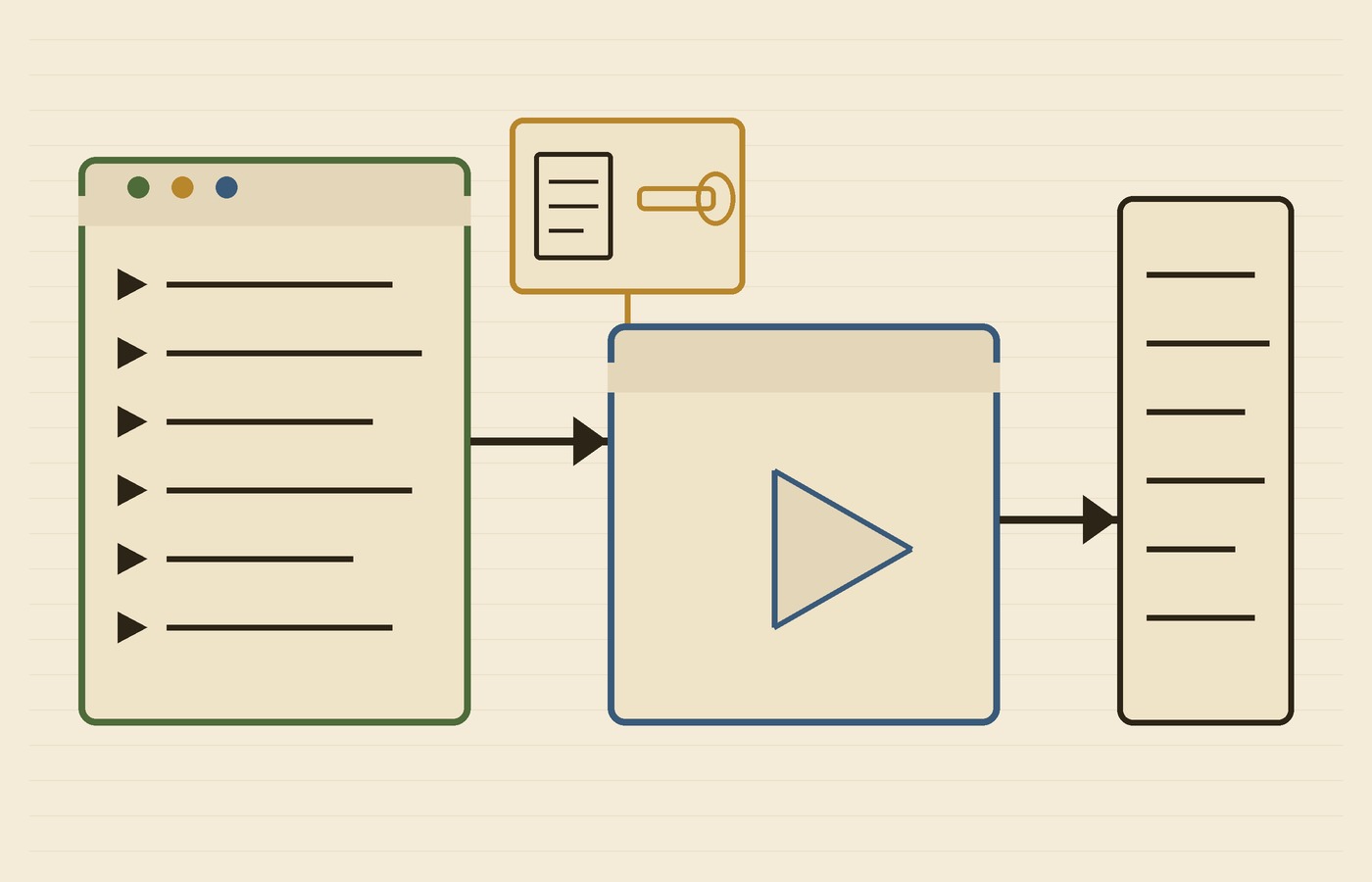
The Pipeline package lets the CLI drive a running Editor, Unity says, so a script or an agent can open a project, run a command, and check the result. In 1.0, the company says the CLI can also see the dialog an Editor is waiting on and answer it, so a script or an agent doesn’t hang on a popup nobody can see. unity open --until-ready waits until the Editor can take commands.
Builds can go through the Editor you already have open: unity build --target builds in that Editor, and unity pipeline cloud-build sets up cloud build targets from the terminal. unity vcs, Unity says, names the asset behind each change in a scene or prefab, and can summarize a pull request without switching branches. unity projects create adds the Pipeline package to every new project and can install the Editor the project needs. unity projects audit runs Project Auditor and writes a report.
Output is meant to be scriptable. Every listing and stream now has the same JSON shape, Unity says. Short flags mean the same thing in every command, --project-path works everywhere, and the CLI never prompts in CI. Clear exit codes tell a script when the Editor is busy, when a dialog is blocking it, or when the network is down. You can pin a CLI version range per project.
The CLI is a native binary on macOS, Linux, and Windows, available through Homebrew, winget, and APT. If you’re on the latest Unity Hub, you already have the CLI, the company says. unity self-update keeps your last three versions, so you can roll back.
Official plugins, and agents that just use the CLI
Unity says unity setup installs the official Unity plugin for Claude Code, Codex, Grok Build, or Google Antigravity, and that those plugins give the agents skills written by Unity’s own teams. The same skills are public in a Unity skills repository on GitHub, the post says, so any agent can use them. unity skill install --all gives Unity’s skills to every agent on the machine, and unity skill sync keeps them current.
That’s Unity listing the agents it ships a plugin for, not a review of those labs’ models. Agents without an official plugin still work in Unity through the CLI, the company says. So do scripts, test runners, and CI jobs with no AI involved at all.
With the official plugin, Unity says, the agent also gets Unity’s own skills for tasks such as building UI, setting up lighting, or adding in-app purchases. The CLI is how an agent actually works with Unity, according to the post: it opens the project, runs commands in the Editor, enters Play mode, and reads the result.
Unity also published usage figures I haven’t verified: since July 20, it says, more than 350,000 logged-in users have run more than 600 million commands with the Unity CLI, and about 98% of those runs come from coding agents and other automation. Those are Unity’s numbers, not my tests.
Compatibility, licenses, and what’s still coming
Version 1.0 is also a commitment, Unity says: commands, flags, and output stay compatible across 1.x releases. When something has to change, you’ll get a deprecation warning and time to update before anything is removed. I’m repeating that as Unity’s compatibility promise, not as a guarantee I’ve tested.
The post also describes security fixes across installs, skills, and project linking, “so a cloned repository can’t run its own programs in place of the real ones.” That’s Unity’s wording. The Build Server license now covers agents and automation, not only builds, the company says: one license per instance lets you run agents on a headless Editor or in a container, on any computer.
A supported headless Unity Editor in a Linux container, built for CI, build machines, and agents, is still coming, Unity says. It isn’t out in this 1.0 post. Next, the company says it’s bringing more of Unity to the terminal — commands for AI Generators, Live Games, and Build Automation, and accounts built for agents — and those aren’t in 1.0 either.
What I’d check before leaning on it
- I haven’t run Unity CLI 1.0. The post is Unity’s announcement from Unite Tokyo on November 17, not my own install notes.
- The 350,000 users, 600 million commands, and 98% automation figures are Unity’s, not results I reproduced.
- The official plugins for Claude Code, Codex, Grok Build, and Google Antigravity are install targets Unity listed. This isn’t a review of those agents, and it isn’t a Gemini 4 Hydrogen or Antigravity Orchestrator story.
- The Linux containerized Editor is still coming. Don’t treat it as part of the 1.0 ship.
If you’ve been driving Unity from a terminal, or letting a coding agent do it, this is the 1.0 release Unity published today at Unite Tokyo. I’d start with the post, and with the note that the Linux containerized Editor is still on the way, before I treated the CLI as a settled install on every machine.
Hero photo: Vintage smith’s workshop – 0047 by Jorge Royan, via Wikimedia Commons; CC BY-SA 3.0; cropped and resized.