
From Mexico, I read a lot of claims about what coding agents do to a team. Most of them are vibes. So when a company that has rebuilt its whole workflow around agents publishes its own internal numbers, I pay attention. On October 16, Anthropic released “How employment is changing at Anthropic,” a report built from internal data on employment, agent use, output, surveys, calendars and hiring records, plus 17 employee interviews.
More code, and the quality check didn’t move
The headline number for engineers: code commits per engineer are at 5x their pace of six months ago. By August, the interactive agent sessions employees ran added up to six times as many hours as the employees themselves worked. To separate the tools from the company’s growth, the authors followed 192 engineers as they adopted coding agents and compared them with 74 who didn’t. Code added rose sharply after adoption.
The part I liked most is that they tried to test for slop. They compared code written by the same person, in the same month and the same directory, by the agent versus by hand, and found no difference in how much was later removed or reverted. They’re also upfront about the limits: “More code does not necessarily mean better code or business impact,” and adoption wasn’t random.
The team shape is changing
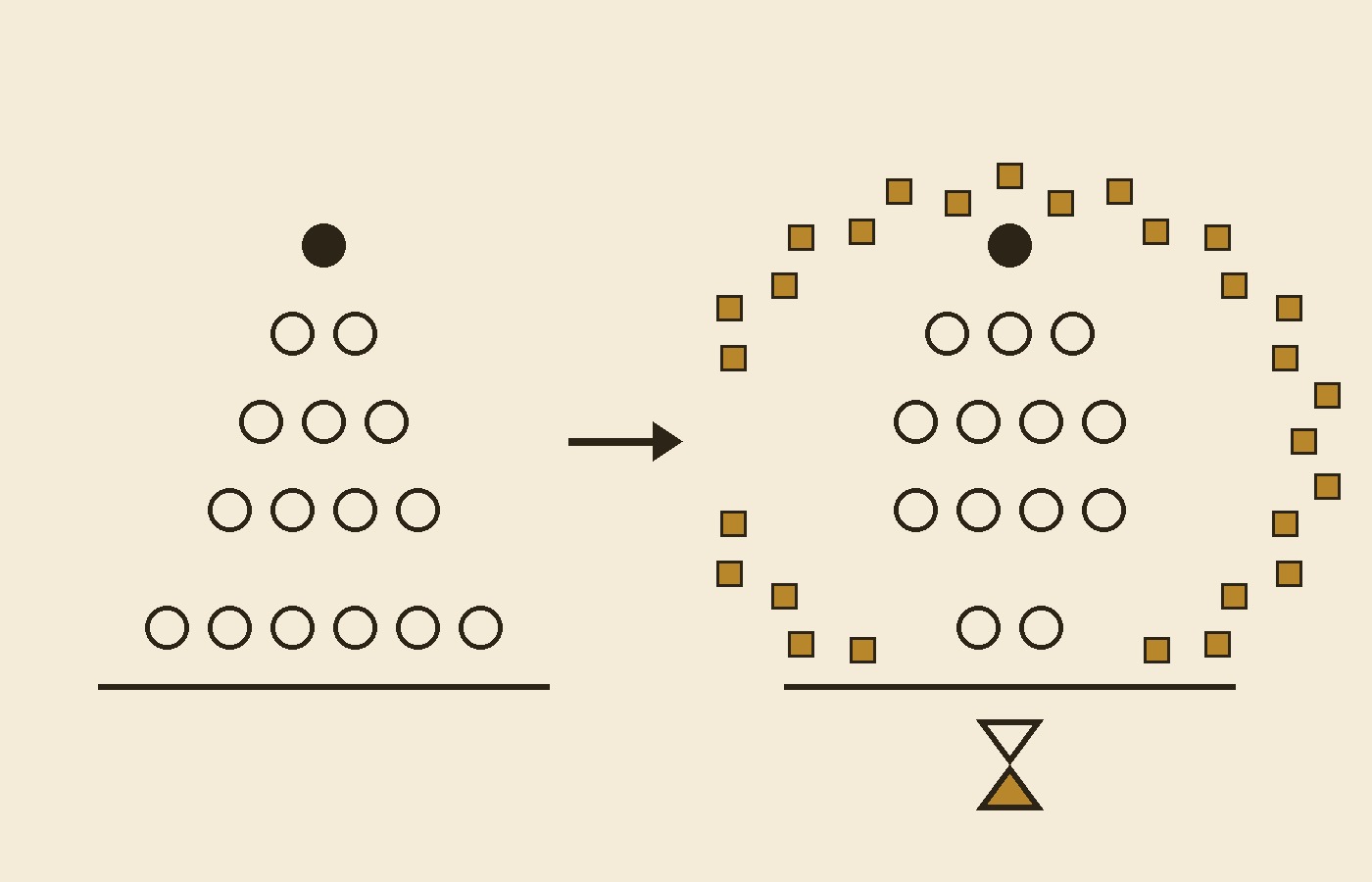
According to the report, the junior share of Anthropic’s technical departments fell from 21% to 14% since early 2025, and junior technical hires fell from 27% to 9%. TechCrunch’s write-up led with that, and also noted that technical teams went from 61% to 56% of the workforce. Meanwhile coding spread outward: coding-agent sessions by non-technical employees jumped from 2 a month in August 2025 to 90 in May 2026, and commits from managers doubled.
What managers look for moved too. In hiring managers’ interview notes, mentions of a candidate’s track record with AI tools tripled for technical roles since 2024. For technical candidates, the biggest increases were in comments on autonomy and judgment, while discussion of domain expertise shrank as a share of the assessment.
Attention is the narrow neck
- Agents wait on people. Interactive sessions spend around 80% of their time idle, waiting for human input. One engineer put it bluntly: people are “bottlenecking the agents.”
- Meta-work grew. Work about the work, like writing specs for agent runs, having one agent review another and monitoring pipelines, went from 10% of interactive sessions in fall 2025 to 22% in spring 2026. Standing instructions for agents went from a few hundred to 8,500 in a year.
- Meetings went up, not down. Median meeting time is up 20% from a year ago, and 16% for technical individual contributors. Employees kept describing face-to-face coordination as indispensable.
My take
Keep the source in mind: this is an AI company measuring itself, with unusually heavy adoption, so I wouldn’t copy its numbers onto a normal team. But the direction matches what I see on a smaller scale. Writing code stops being the slow part. Reading, deciding and writing things down becomes the job. The report even notes that decisions made in unlogged meetings leave agents without context. So my practical takeaway is boring on purpose: write decisions where your agents and teammates can see them, keep standing instructions short and current, and check reverts and deletions, not just commit counts, before you call it a productivity win.
Featured image: “Hourglass 1” by Suohros, Wikimedia Commons, CC0 1.0 (public domain dedication). Cropped, resized to 1400×900 and lightly sharpened.