From Washougal, Washington — a small Columbia River town south of Seattle — GeekWire and SiliconANGLE say Resect AI just left stealth with $25 million to chase a blunt problem: models that sound sure while they’re wrong. The check came from unnamed private-equity investors. No lead named. No valuation. I’m saying that up front because the PR didn’t.
I’m less interested in another “AI raise” headline than in where they claim to fix things. Most monitoring grades the text after it lands. Resect’s pitch — repeated in the PR Newswire release and RuntimeWire — is an accountability layer that looks inside the model mid-generation and intercepts hallucinations before they reach the user.
From Mexico, that “fix it in the stack, not after the apology” framing is the part worth tracking. Labels like “use at your own risk” don’t help a bank, a hospital, or a publisher when the model invents a fact with a straight face.
Inside the black box, not after the answer
CEO Kevin Owens told the release (via PR Newswire and SiliconANGLE) that AI was “prematurely… put in a position of trust.” CAIO Tim Walton argues the internals aren’t unreachable: Resect says it spent time studying how models choose answers, then built tools that “observe exactly when and how models fail, and surgically fixes them.” The company name is the medical verb — cut out damaged tissue, leave the rest.
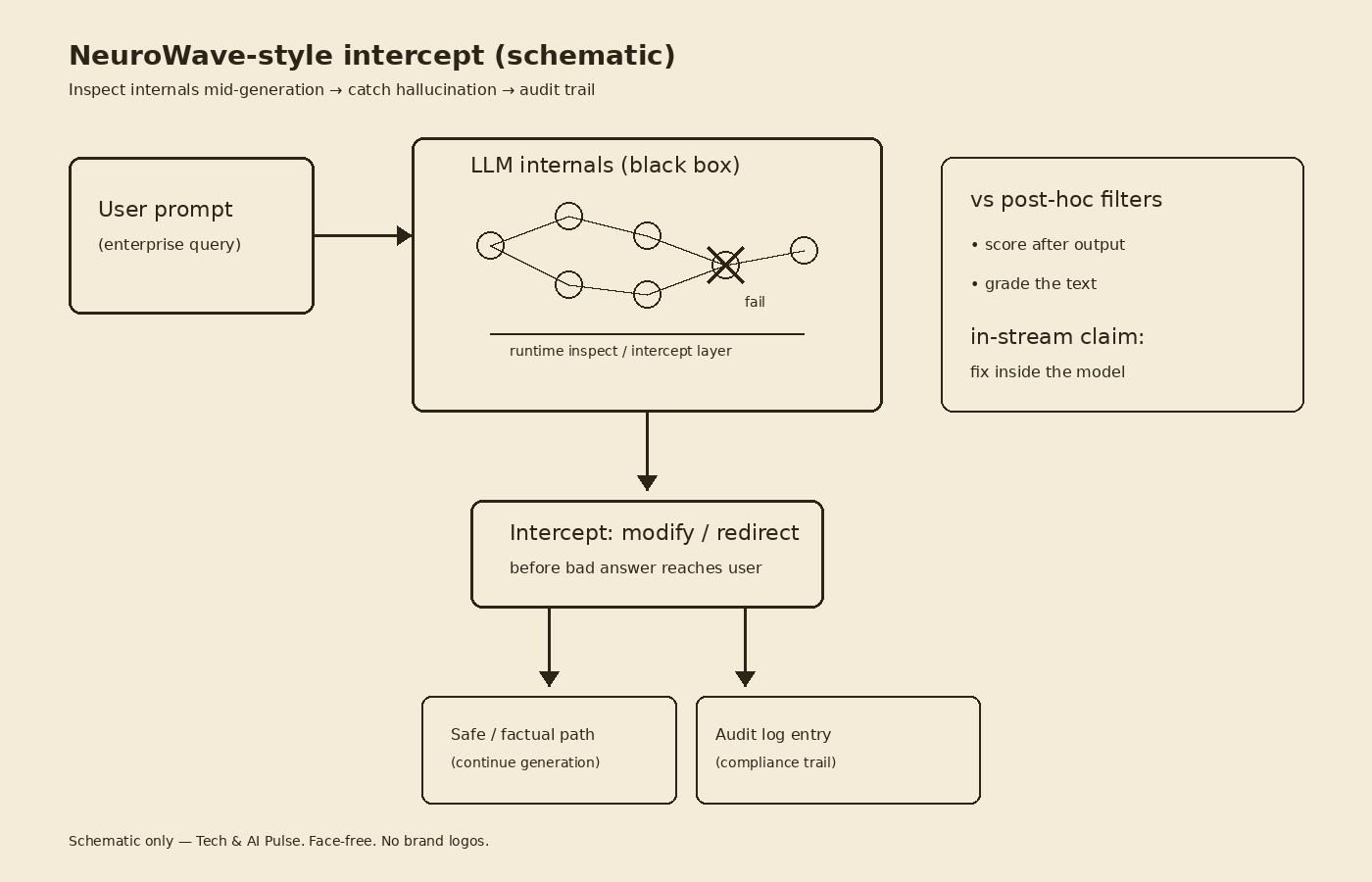
The commercial wrapper is the NeuroWave Product Suite — described as a “polygraph for neural networks” in SiliconANGLE and on resect.ai. Target verticals in the release: publishing, finance, healthcare, research, education. GeekWire stresses the patented in-stream claim vs traditional after-the-fact evaluation, plus an audit trail for compliance.
Washougal HQ, unnamed PE, open-source path
Co-founders alongside Owens and Walton: COO Tyler Gerber and CPMO Tommy Lofgren (GeekWire). RuntimeWire notes Owens, Gerber, and Lofgren previously worked together at Audiience. Headcount is about 30 today — four on Main Street in Washougal, others across the Seattle area, California, New York, and Texas — with a goal of 50 by end-2026 and a Seattle-area engineering/business office planned. Money goes to R&D, go-to-market, and PNW hiring per the company release.
On artifacts: SiliconANGLE and RuntimeWire report early Veritas fact-checker models (0.6B and 8B, Qwen3-based) published through the company’s Hugging Face org, with the smaller model scoring about 72.3% average on LLM-AggreFact vs the base Qwen3 in their cards. The GitHub org for open-source tools was still empty as of Sep 4. Enterprise NeuroWave is waitlist/demo — launch day, not broad availability.
From Mexico, I’m waiting on production proof
From Mexico, I’m glad someone is funding “look inside the model” instead of another wrapper that only scores the final paragraph. I’ll believe the category when operators publish real intercept rates without nuking useful answers. Until then, Resect’s $25M bet — PE unnamed, HQ in a town of ~18k — is one of the clearer accountability-layer checks this week. Sources: SiliconANGLE, GeekWire, PR Newswire, RuntimeWire.
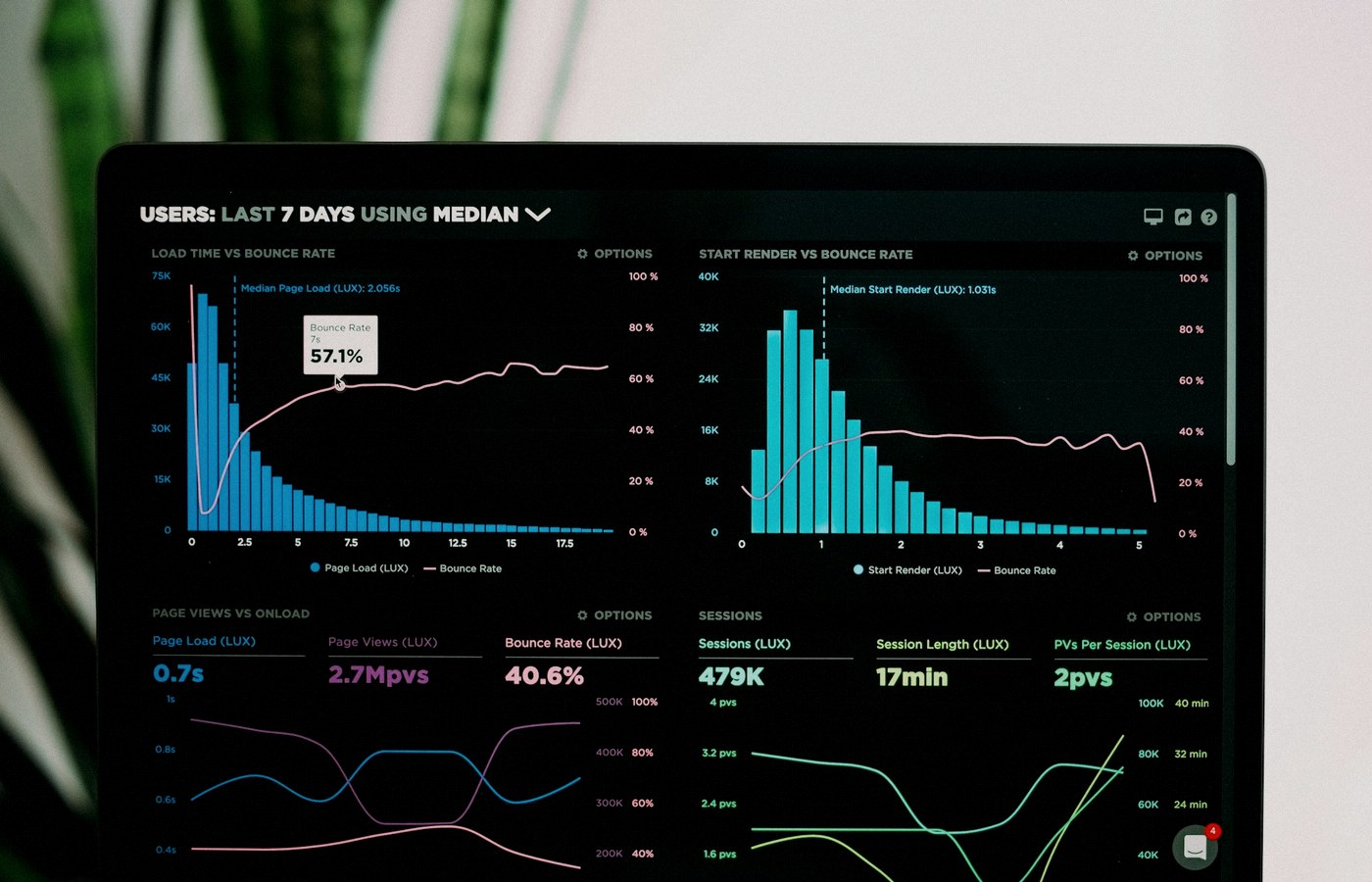
Hero image: analytics dashboard on a laptop by Luke Chesser on Unsplash (Unsplash License). Cropped, graded, and lightly grained by Tech & AI Pulse.