On November 19, the AWS DevOps and Developer Productivity Blog announced continuous modernization updates in AWS Transform. Nithin Moorthy, a senior product manager, and Venugopalan Vasudevan, a principal specialist solutions architect, write that since general availability in August 2026, “platform teams have used continuous modernization through AWS Transform to keep tech debt from piling up.” Ahead of re:Invent 2026, they say, “we’re making the experience faster to start, easier to act on, and easier to extend.” “Setup takes a few steps, each issue shows up once across your estate, and remediations arrive as one pull request per repository.” The on-page date is 19 NOV 2026. The published timestamp in the page metadata is 2026-11-19T16:01:00-07:00, which is 4:01 p.m. America/Phoenix on November 19. The page was also updated at 4:24 p.m. America/Phoenix the same day. Here’s what that post, and the current official docs, say.
OAuth setup, and an execution role created for you
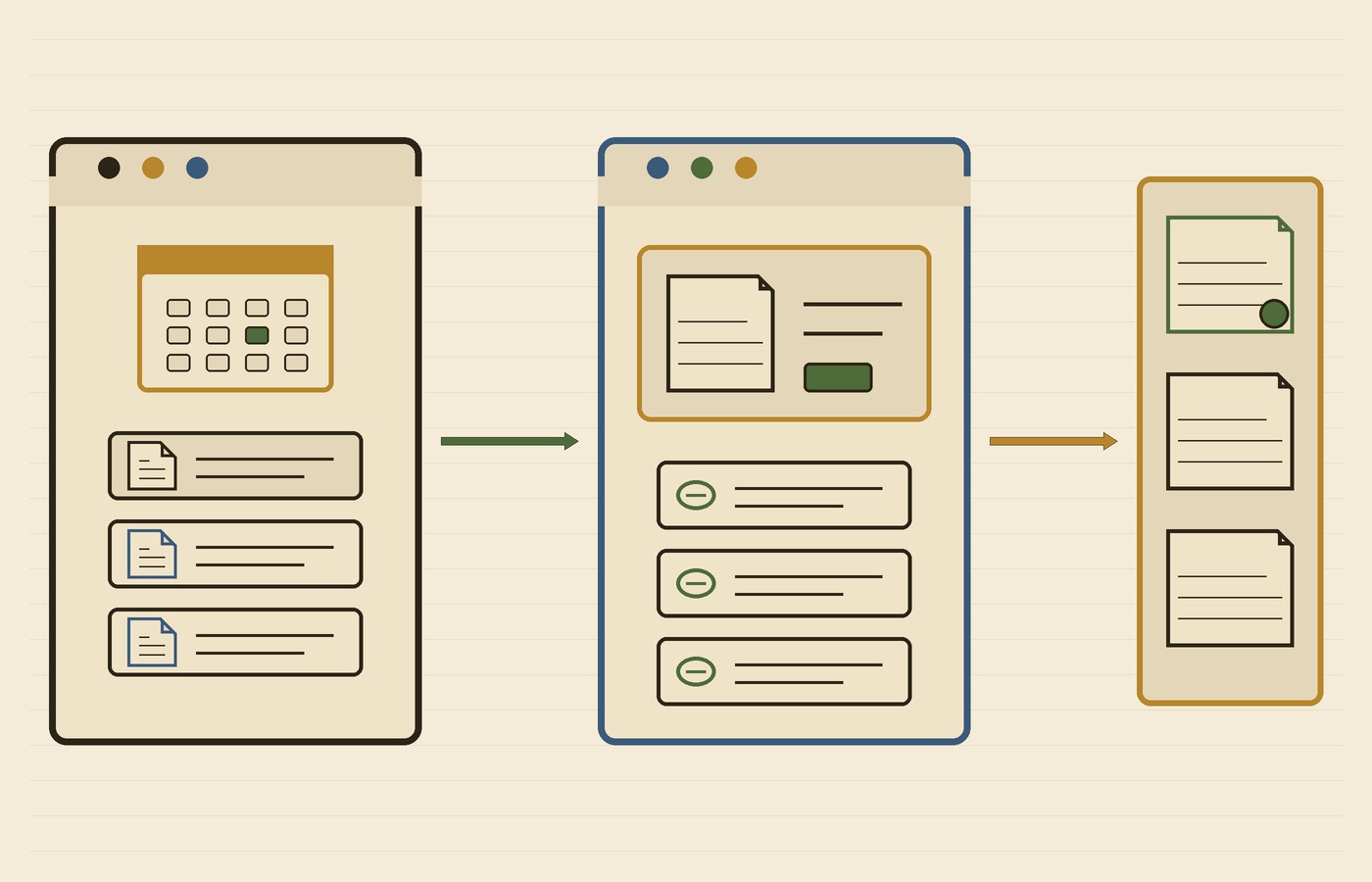
“Getting your first findings used to mean creating personal access tokens, configuring AWS Identity and Access Management (IAM) roles, and picking analyses before you saw any findings.” Continuous modernization, the post says, “now connects to GitHub, GitLab, and Bitbucket through OAuth, so there are no tokens to manage.” “It also creates its execution role for you during onboarding.”
That’s the announcement’s claim about the new path. “No tokens to manage” still means you’re authorizing the service to reach those repositories. I’d review the OAuth grant, and the IAM execution role it creates, before treating onboarding as finished. The current AWS Transform User Guide still documents GitHub organizations with personal access tokens (classic) as a source type, so the docs and the November 19 post are not a perfect match yet.
Once repositories are connected, “continuous modernization recommends analyses for your estate.” Those include “comprehensive tech debt for outdated dependencies and end-of-support runtimes, or modernization readiness for repositories that could move to containers or serverless.” “You choose which ones to run, and recommended analyses are scheduled by default, so your findings stay current without anyone rerunning them.” If you connect a source, check which analyses got scheduled.
Start from an AWS Health event
“A new integration with AWS Health takes you from a planned lifecycle event (PLE), such as an AWS Lambda runtime reaching end of support, straight to the affected code.” The post also names an Amazon EKS version upgrade as an example. Continuous modernization “maps each PLE to the affected repositories and findings.” “For most PLEs, one remediation covers every affected repository.” It “applies the matching skill, such as an AWS managed Lambda runtime upgrade, and opens one pull request per repository.” “The deadline and affected resources stay with the work, so you can track each PLE until it’s cleared.”
The integration is gated. “The integration uses the AWS Health API, which requires AWS Business Support+, AWS Enterprise Support, or AWS Unified Operations.” “In Regions without these plans, Business, Enterprise On-Ramp, or Enterprise Support also works.” The official AWS Health API docs say the same, and that an account that isn’t on one of those plans gets a SubscriptionRequiredException.
One issue, then one pull request per repository
“Until now, an issue showed up as a separate finding in every repository it touched, so dozens of repositories using the same deprecated library meant dozens of findings to triage.” Continuous modernization “now groups findings that share an underlying issue, so each issue appears once with every affected repository listed under it.” Each group on the redesigned Findings page shows “its severity, scope, safety bar status, and recommended AWS managed transformation or specialized skill.” You “select the groups you want to fix and choose Create remediation plan.”
The pull request side changes with it. “Until now, each finding was remediated in its own pull request, so a repository with five findings meant five pull requests.” Now “you can remediate a group of findings together, whether continuous modernization created the group or you did.” “It combines each repository’s findings into a single pull request, so app teams review and merge once per repository instead of once per finding.” That review step is the official path, not an optional extra.
Your own transformation definitions, and a review before anything runs
The post also says you can “bring your own skills (transformation definitions), have one generated when none fits, and ask chat about your estate or have it act for you.” You can run your own definitions from the console beside AWS managed ones. A custom analysis “scans your repositories against your rules and reports findings.” Custom remediation “applies your skills to resolve those findings” and “runs on infrastructure in your own account, such as AWS Batch.”
When no definition fits, “continuous modernization now generates one, and nothing runs until you review the skill and what it will change.” Then you can use it once, or “publish it to the skills registry in your AWS account, so it’s ready the next time the issue appears.” I’d treat a generated definition the same way I’d treat a generated pull request: read it before you let it run or publish it.
Chat is a similar story. You can ask about findings, analyses, and remediations in plain language, and the post’s examples include “What changed since the last analysis?” and “Why did the remediation on checkout-service fail?” Chat “can also take action: start or schedule an analysis, start a remediation and check its progress, or dismiss findings in bulk.” “Every action shows a confirmation card first and runs with your own permissions.” A confirmation card is not an isolation boundary. It means you get a chance to refuse the action, and that the action still runs with whatever access your account already has.
What the official docs add, and what I’d watch
The current user guide describes continuous modernization as analysis and remediation for source code repositories, including technical debt, security vulnerabilities, and modernization opportunities. “All analysis and remediation run in your AWS account using your credentials.” “Your source code stays under your control.” Those are AWS’s statements. They are not a promise that a generated change is safe to merge, and they are not a sandbox. Opening a pull request still writes a branch in a connected repository.
You can also “download the artifacts from any analysis, such as its report,” to share, keep as evidence, or feed into your own tools. The post points to the AWS Transform console, the user guide, a workshop, and a product walkthrough if you want to try the new path. I’d start by reading the OAuth grant, the execution role, the scheduled analyses, and any generated definition or pull request before anything lands on the default branch.
Hero photo: Howe Truss Train Trestle by HominyGrits007, via Wikimedia Commons; CC0 1.0; cropped and resized.