
The Eclipse Foundation announced Eclipse Enclave 1.0 today: an open-source, vendor-neutral runtime and sandbox that, the Foundation says, lets AI coding agents run autonomously in isolated, policy-controlled environments. The newsroom page is dated Thursday, November 19, 2026, at 06:00, and its published timestamp is 2026-11-19T06:00:00-05:00, which is 4:00 a.m. America/Phoenix.
I haven’t installed Enclave, and I haven’t started a session. This is what the announcement and the current official docs say.
What the Foundation says it is
According to the announcement, Enclave runs each agent session in an isolated container with defined access to files, networks, and development resources, so developers can let agents work independently — including on multiple tasks in parallel — without giving them unrestricted access to their systems. The Foundation lists support for Claude Code, Codex, OpenCode, and other coding agents, with an extensible architecture for more tools. That’s the announcement’s support list, not a review of those products.
Mike Milinkovich, Executive Director of the Eclipse Foundation, put the pitch this way: “The next big step in AI-assisted software development isn’t just making coding agents more capable. It’s giving them the autonomy to do meaningful work while keeping developers and organisations in control.”
The announcement says Enclave 1.0 is available now as open-source software under the MIT license, with docs and downloads at enclave.eclipse.dev. I fetched the GitHub repository eclipse-enclave/enclave on November 19, 2026 at 8:14 a.m. America/Phoenix: 85 stars, MIT license, default branch main. The latest non-prerelease GitHub release is v1.0.1, published 2026-10-31T19:35:08Z, which is 12:35 p.m. America/Phoenix on October 31, 2026. A rolling prerelease was published this morning. So today’s news is the Foundation announcement, not a brand-new GitHub tag from today.
What the official docs say happens when you start it
The getting-started guide says you point Enclave at a project and run enclave. It starts an isolated container and launches the agent against the current checkout. You can pick an agent with enclave --tool, resume a session with enclave continue, and list sessions with enclave ps. That’s the site’s command list, not a session I ran.
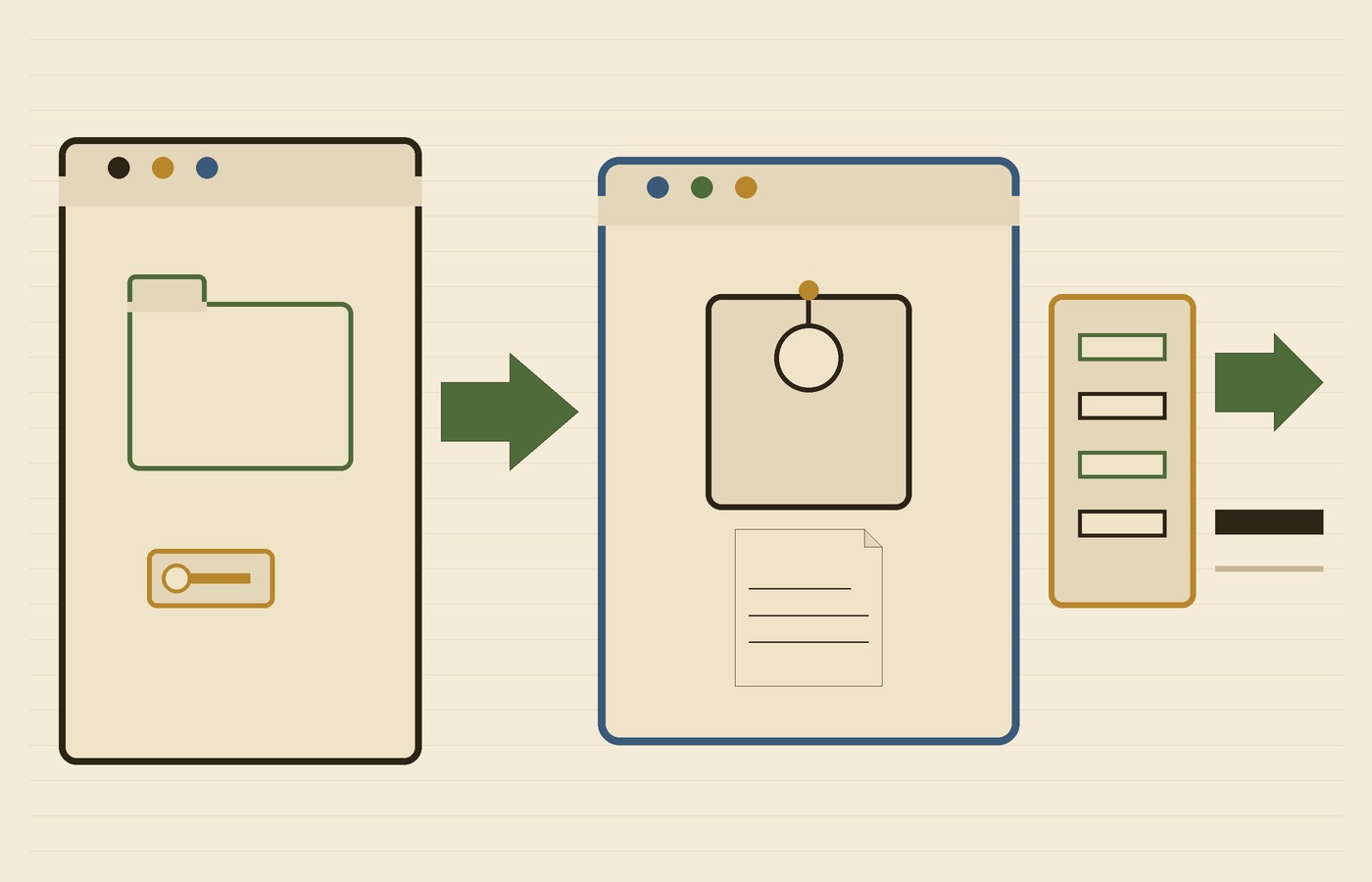
The introduction is more specific about the isolation model. Each session runs in a container with its own filesystem, process tree, and network stack. “Only what you mount in — typically the project worktree — is shared with the host.” You can also put each session in its own git worktree so parallel agents don’t overwrite each other’s changes, then review and merge on your terms.
On the default Docker backend, a sidecar gateway filters DNS and proxies outbound traffic. The docs say an agent only reaches allowlisted domains; everything else is blocked and logged, and you can audit that later with enclave network log. The configuration page also says full autonomy is on by default, and you pass --no-yolo if you want the agent to ask for confirmation again.
Security caveats the docs actually spell out
This is not a blanket “it’s sandboxed, so you’re fine” story, and the docs don’t treat it that way. The same introduction says the experimental QEMU microVM backend currently runs without network restrictions. The configuration docs also document --allow-all-network, which turns network filtering off for a session (the gateway still logs HTTP and HTTPS traffic), and --disable-gateway, which runs an unrestricted session with no network log at all.
On secrets, the introduction says credentials configured for HTTP release are masked from the agent: the gateway injects them only into requests to matching allowlisted hosts. Other credentials are exposed inside the container as mounted files or environment variables. Project config lives outside the worktree, “so a repository cannot carry its own sandbox policy, and an agent working in it cannot rewrite the rules it runs under.” Mounting a sensitive directory such as your home directory or ~/.ssh still needs an explicit opt-in, --allow-sensitive-mounts or the ENCLAVE_ALLOW_SENSITIVE_MOUNTS=1 environment variable, the configuration page says.
The v1.0.1 release notes on GitHub add practical limits I’d want in mind before trusting a download: release artifacts are not signed yet, and the notes ask you to verify downloads with checksums.txt. On Windows, Enclave runs inside WSL2. The official site also lists Linux, macOS, and Windows via WSL2. HomeShell, the graphical companion, is a preview — the docs say “there is no stable release yet.”
I’d still treat API tokens, repo permissions, and anything you mount or pass into a session as your responsibility. The sandbox the docs describe is real on the default Docker path, with documented ways to loosen or skip the network controls, and it is not a promise that every backend isolates every channel.
Hero photo: Sea stack across the surf from the tide-pool rocks, Agate Beach, Sue-meg State Park, California by Z3lvs, via Wikimedia Commons; CC0 1.0; cropped and resized.