Generic coding agents are pretty good at writing a function. They’re less good at knowing which pin on a microcontroller that function is supposed to drive. On November 10, Texas Instruments announced what it calls significant enhancements to agentic AI in its CCStudio development ecosystem — aimed at MCU, wireless connectivity and radar work.
The company’s own diagnosis is that generative coding tools often stall on complex embedded tasks because they lack hardware-specific context. TI’s answer is to inject that context — SDKs, pin configurations and peripheral data — into the AI tools engineers already use, through Model Context Protocol servers.
What TI says the tools can do
Per the release, the CCStudio IDE exposes its core capabilities to industry-standard agents, so those agents can generate code, configure peripherals, build the application, flash it to the device and debug it. Engineers can drive that workflow in plain language from CCStudio IDE or CCStudio for VS Code, without switching tools or rebuilding context, TI says.
It also says these agentic capabilities are available today across its general-purpose and real-time MCUs, wireless connectivity devices, and radar systems-on-chip, and that the CCStudio ecosystem is available now as a download on TI.com. TI is demoing the workflows at electronica 2026 in Munich, November 10–13.
The migration skill — and the claims around it
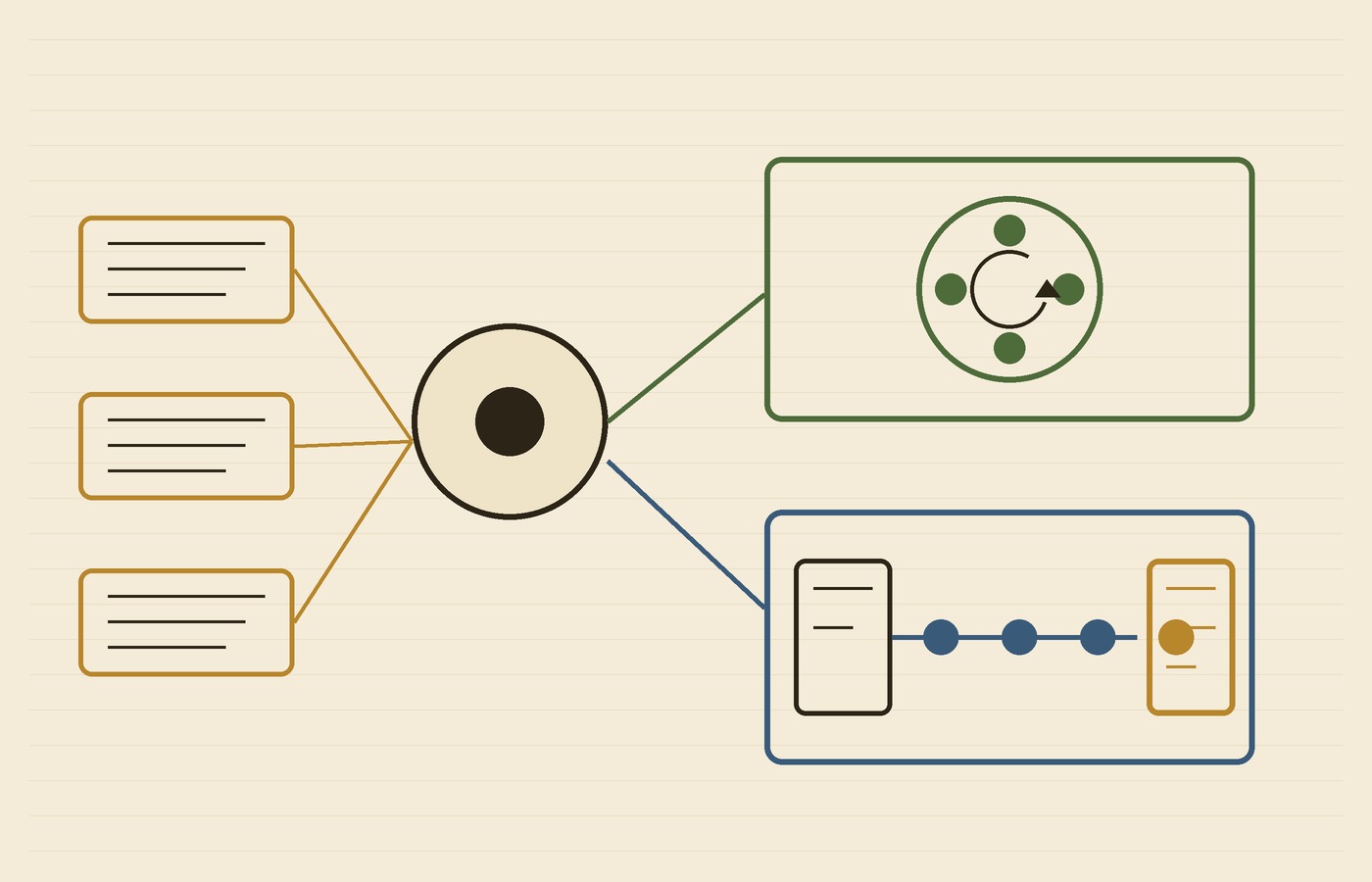
The headline feature is a device migration skill. TI calls it the industry’s first, and says it can turn work that historically took months into a workflow completed in days, or even hours. When you ask your preferred AI tool to migrate code from a competing device to a TI device, the model is supposed to invoke TI’s skill and run the process with specialized subagents: analyzing the source project, configuring peripherals, updating code and API calls, and iterating through build errors.
Treat “months to days,” “industry’s first,” and “autonomously” as TI’s description, not as a measured result. The release doesn’t publish a timed case study or an independent comparison.
Other vendor claims to keep in that column
TI also says grounding models in its data improves accuracy, reduces hallucinations, and produces implementation-ready outputs, and that retrieving only the most relevant context reduces latency and token costs. Those are the company’s claims. There’s no accuracy rate, hallucination count, or token figure in the announcement to check against.
What I’d check before trusting a port to it
- Start with a small, known project. Migrate something you can already build and flash by hand, then compare the result on the target board — not just a clean compile.
- Watch the flash-and-debug loop. The interesting part is whether the agent can close that loop on your hardware, not whether it can rewrite a HAL header.
- Read the migration report. TI’s product page says the assistant prepares a plan and an up-to-date report of the changes. I’d treat that report as the review surface, the way I’d treat a large human-written port.
- Don’t budget “days” from the press release. Time a real port of your own code before you change a schedule.
It’s a different problem from generic cloud coding agents. It’s about whether the model has the datasheet in the loop. If you already live in a coding agent and you ship on TI silicon, that’s the part I’d actually test.
Product page: CCStudio development ecosystem.
Hero photo: SMD circuit on a wave-soldered PCB by wdwd, via Wikimedia Commons, CC BY-SA 4.0; cropped and resized.