From Mexico, I’ll admit I used to file “skills” under things that belong to one company’s coding tool. That changed on October 22, when Anthropic announced it is donating Agent Skills, the format for teaching an AI agent a task, to the Agentic AI Foundation (AAIF) at the Linux Foundation. It isn’t a new model or a new feature. It’s a change in who gets to steer a format a lot of coding tools already read.
What a skill actually is
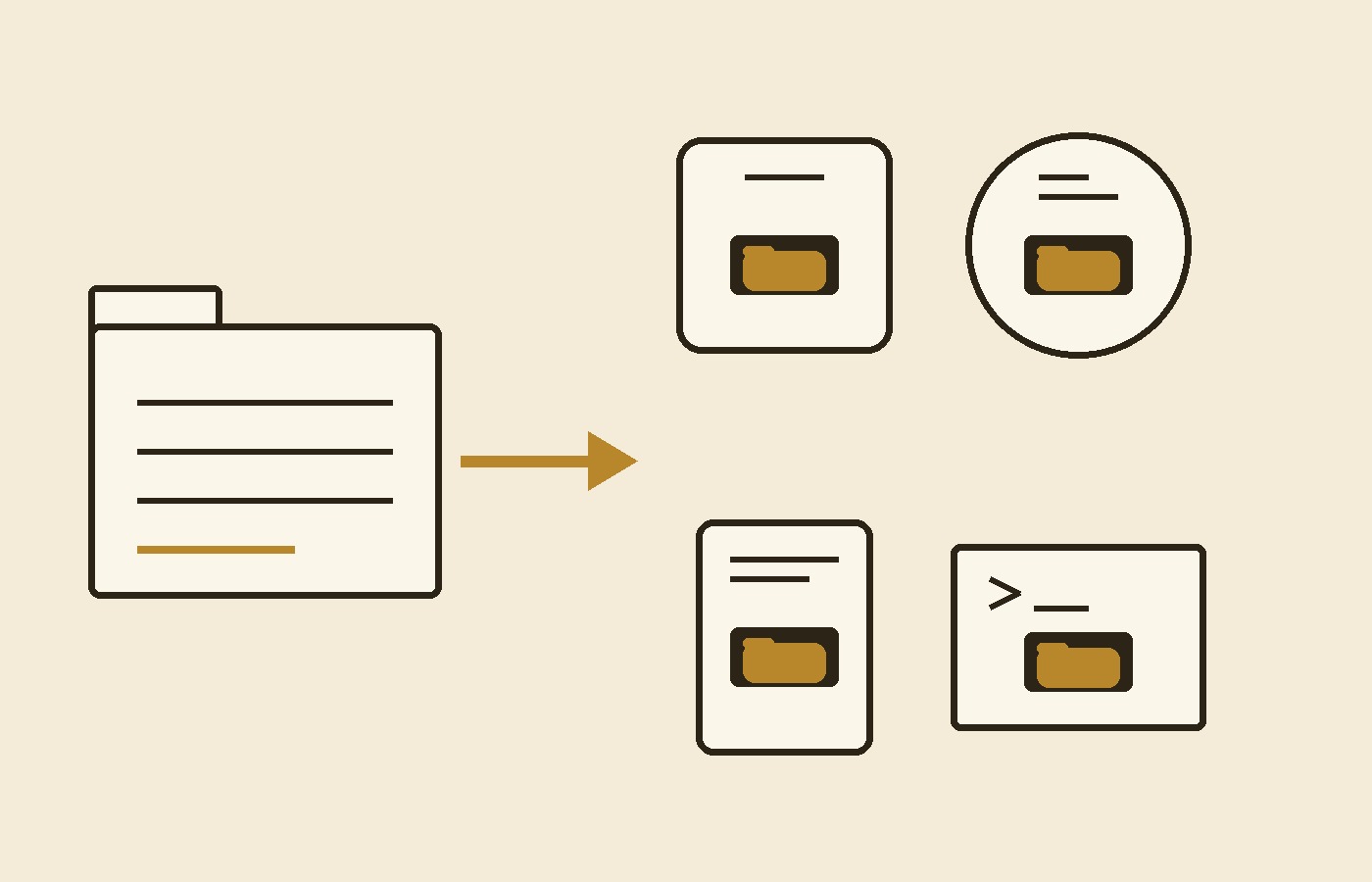
A skill is just a folder. Anthropic describes it as a folder with a SKILL.md file that teaches an agent a specific task, plus any scripts or reference material it needs. Anthropic says it developed skills while working on Claude Code, which handled general knowledge work well but often lacked the procedural knowledge real business tasks need. ByteFwd’s explainer adds the mechanics: the file starts with a name and description, then Markdown instructions, and an agent first reads only the name and description and loads the full instructions when the task matches.
What moves, and who runs it now
Anthropic says it is handing over the Agent Skills name and logo, the GitHub organization and the agentskills.io domain. The AAIF sits under the Linux Foundation; Anthropic says it co-founded it with Block and OpenAI and earlier donated the Model Context Protocol (MCP) to it. Engineers from Anthropic, Google, OpenAI and other companies will maintain the standard as individuals, with David Soria Parra and Mahesh Murag as lead maintainers. You can keep using or contributing to the standard without joining the foundation.
The Linux Foundation’s own announcement lists Agent Skills as one of four new AAIF projects, next to Open Responses from OpenAI, OpenEnv from Hugging Face and OpenSandbox from Alibaba, which takes the foundation from three launch projects to ten. It was announced at AGNTCon + MCPCon North America in San Jose.
The numbers, and the fine print
Anthropic says more than 70 agent platforms, including ChatGPT, Cursor, GitHub Copilot and VS Code, have integrated Agent Skills since the standard was published in December 2025, and that 1 million skills have been published and nearly 280 million installed. Those are Anthropic’s own figures. Data Phoenix points out that the sources it opened gave no counting method or auditable dataset for them, so I’d read them as a sign of reach, not a precise count.
The same write-up has two more cautions. The roadmap Anthropic proposes, which covers versioned releases, a formal proposal process and security guidance for people who write and install skills, is a plan, not something already shipped. And when Data Phoenix checked the public AAIF proposal tracker, it showed technical committee approval but an unsigned contribution agreement and an unfinished governing board review, so the legal and operational transfer may not be complete yet. That’s why I wrote “announced it is donating” above.
My take
For developers, the useful part is portability. If a team writes a skill once, a shared format means less repackaging for the next agent client. ByteFwd is careful about this, and I agree: a folder can follow the format and still depend on a command or service another agent can’t reach, and the optional tool-permission field is still marked experimental and can behave differently between products.
It also means treating a skill like a dependency. Skills can bundle executable scripts, and ByteFwd points to the implementation guide’s advice to check trust before loading skills from a project you just cloned. I’d read the scripts before I install anything. And before I trust a skill, I’d run a few real tasks with it and without it, which is what the project’s evaluation guide suggests, per ByteFwd. A neutral home is good news for the standard. Whether any given skill makes your agent better is still something you have to measure yourself.
Featured image: “Thread pitch gauge for Whitworth and metric screws” by CEphoto, Uwe Aranas, Wikimedia Commons, CC BY-SA 3.0. Cropped, padded at the edges, resized to 1400×900 and lightly sharpened; the modified image is shared under the same license.