From Mexico, most of the multi-agent coding setups I’ve seen still have a boss: one agent splits the job and hands out pieces. On October 24, Microsoft Research open-sourced Agensh, which drops the boss entirely. The agents find sub-tasks, claim them, verify their work and merge it on their own. The preprint came out in September; what’s new this week is that the code, launch scripts and a reproduction guide are public under the MIT License.
How it works
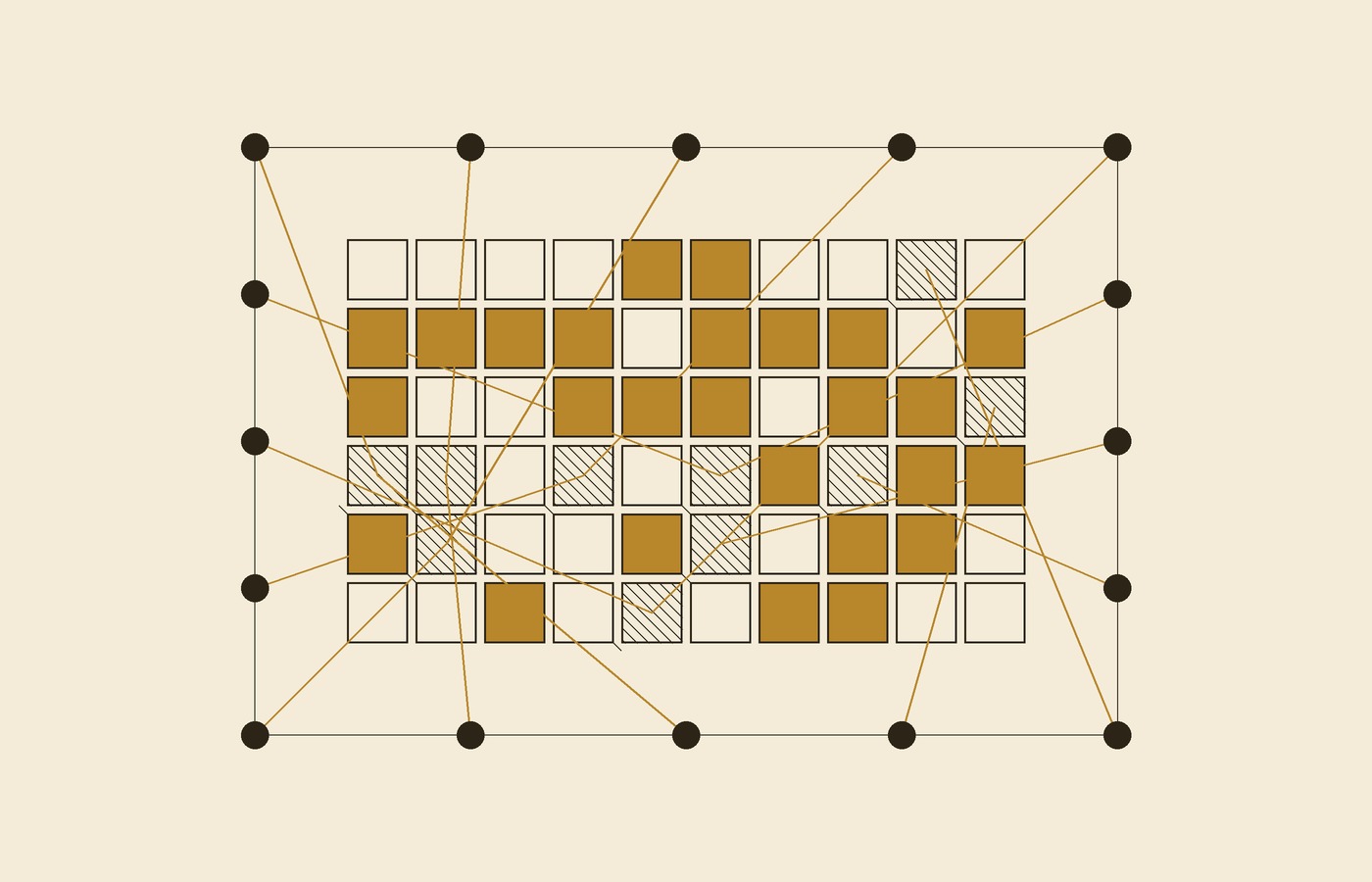
Each worker runs a loop: gather context, claim a sub-task, act, verify, merge, repeat until the goal is met. Nobody waits on anybody. The coordination lives in plain infrastructure: a Gitea server is the shared workspace, Mattermost is the chat, and a shared-context mechanism is adapted from the DeLM project. Per agent, the team built on top of the GitHub Copilot CLI agent loop. The release includes a single-node Docker Compose setup and a single-agent baseline to compare against.
The numbers
They tested on the five hardest ProgramBench tasks, where agents rebuild a reference program from its behavior and bundled docs, with GPT-5.6-sol at high reasoning effort, a six-hour budget and no Internet. The mean final test-pass rate went from 19.31% with one agent to 28.78% with 128, about 49% better in relative terms. On Pandoc it went from 33.89% with one agent to 50.94% with 128 and 55.06% with 1,024. With GPT-6.1-sol, Pandoc went from 56.19% with one agent to 79.59% with 32. The authors also say coordination habits and specialized roles showed up on their own as teams grew.
My take
What I like is that the coordination tools are boring on purpose: a Git server and a chat room, the same things a human team uses. That makes the setup easy to inspect. What I’d keep in mind: five tasks is a small sample, the gains come with a lot more parallel compute in the same six hours, and the release doesn’t make this a product. If I tried it, I’d run the single-agent baseline first on one of my own repos and see whether a small team, like 8 or 16 agents, beats it before going anywhere near 1,024.
Hero image: “Frame from a hive J1” by Jamain, Wikimedia Commons, CC BY-SA 3.0; cropped and resized.